
When Should I Start Worrying About Fertility?
When Should I Start Worrying About Fertility? is a question many women ask when trying to understand whether their journey to conception is taking longer than expected. Fertility is not a single number or a fixed timeline. Ιt is a combination of biology, lifestyle, hormones and individual health. At Specialised IVF Centre Embryowish in Athens, we meet women from the UK, Ireland, Scotland, Iceland, Canada and many other countries who arrive with the same concerns: “Why is this taking so long?”, “Is something wrong?” or “Am I the only one feeling this way?”
The truth is that fertility challenges are far more common than people think, and early clarity can make a meaningful difference.
One of the first questions many ask is “When to start worrying about fertility issues?”. After 12 months of trying, the general medical guideline suggests seeking evaluation, if you’re under 35, or after 6 months if you’re over 35. But this is not an absolute rule. Some women need earlier assessment, especially if they notice irregular cycles, severe pain, or long-term conditions like endometriosis. Others simply want reassurance and personalised guidance from a fertility specialist. Something we strongly encourage, because answers bring calm.
When Should I Start Worrying About Fertility: Understanding the Signs
Many women look for signs that something isn’t quite right. Questions like “How long should you try to get pregnant before worrying?”, “What are the warning signs of infertility?” or even “When should I start worrying about being pregnant?” are completely natural. Warning signs can include cycle irregularities, lack of ovulation symptoms, pelvic pain, hormonal issues, or a history of miscarriages. For some, there are no visible signs at all. Just the feeling that conception is taking longer than expected.
Another concern is age. Women often ask “At what age are 90% of your eggs gone?”. While egg quantity decreases steadily through the 30s, egg quality varies greatly from person to person. This is why a personalised fertility evaluation offers far more clarity than generic statistics. At the Specialised Fertility Clinic Embryowish, under the guidance of Dr. Nikolaos Georgogiannis, we focus on detailed hormonal testing, ultrasound assessments and an overall review of reproductive health to understand what is happening in your specific case.
When Worry Turns Into a Plan
More practical questions often arise: “What is the #1 cause of infertility?”and “What’s the average amount of tries to get pregnant?” There is no single cause. Ovulation issues, tubal factors, sperm quality, endometriosis and unexplained infertility all play a role. Most couples conceive naturally within the first 6 months, but a meaningful percentage need medical support and that support can make a profound difference.
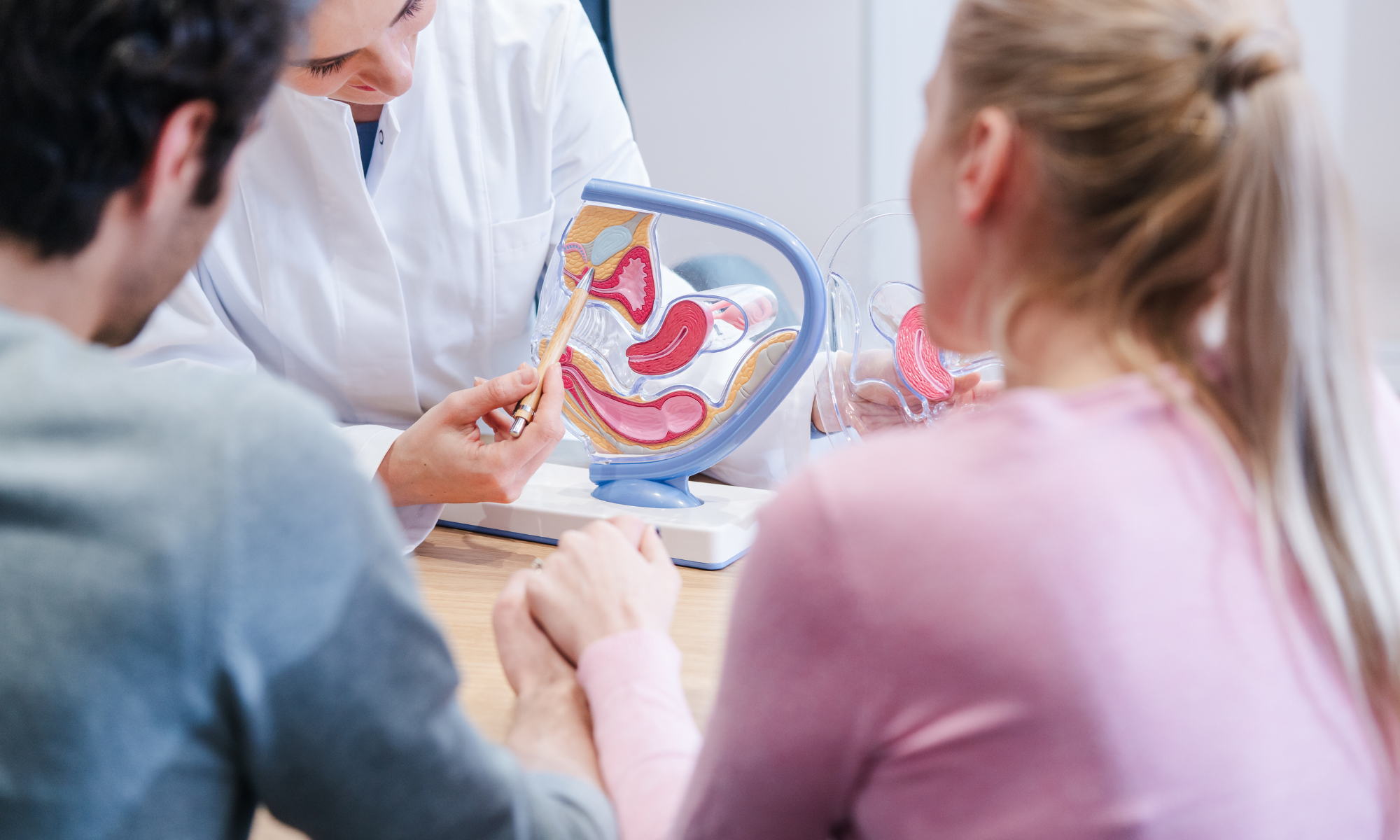
For international patients considering IVF in Greece, our fertility clinic provides detailed assessments, compassionate communication and personalised plans. Whether you are just starting to try or have been trying for longer than expected, the important thing is that you don’t have to navigate this alone.
When Should I Start Worrying About Fertility? What is the next step?
A simple conversation with Embryowish may give you the clarity you need. Our team is here to guide you with warmth, expertise and a genuine commitment to your fertility journey. Book your free online consultation today.


