
Premature Birth: What Should Expectant Parents Know?
What Is Premature Birth?
Pregnancy is a period filled with important changes, expectations, and preparations for parenthood. One concern that may arise during this time is the possibility of giving birth earlier than expected. Understanding premature birth can help expectant parents learn what it means, which factors may be associated with it, and when medical attention is important.
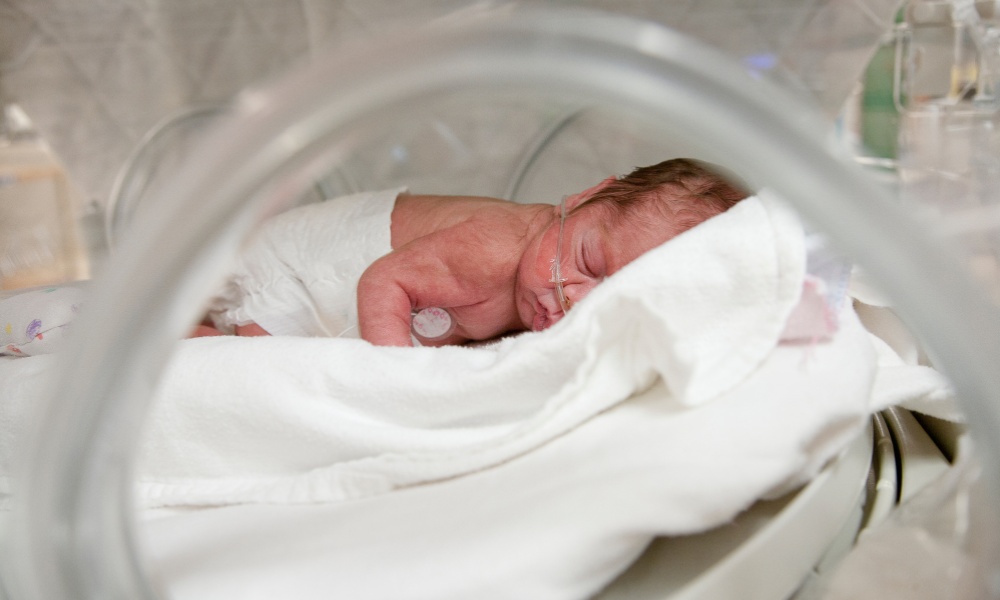
A premature birth, also known as a preterm birth, occurs when a baby is born before 37 completed weeks of pregnancy. Babies born prematurely have not completed all the stages of development that normally take place in the womb and may need specialised medical care after birth.
According to the World Health Organization (WHO), approximately one in ten babies worldwide is born prematurely. Premature birth is an important public health concern because it may involve different medical and developmental needs, depending on how early the baby is born.
What Are the Different Categories of Premature Birth?
Premature birth is classified according to the number of completed weeks of pregnancy at delivery. This distinction is important because babies born earlier generally have a greater likelihood of needing specialised medical support.
The main categories are:
- Extremely preterm: Birth before 28 completed weeks of pregnancy.
- Very preterm: Birth from 28 weeks to less than 32 completed weeks.
- Moderate to late preterm: Birth from 32 weeks to less than 37 completed weeks.
Not all premature babies have the same medical needs. Their condition depends on gestational age, birth weight, organ development, and other individual factors.
Why Does Premature Birth Happen?
Premature birth can begin spontaneously, and in many cases, it is not possible to identify one specific cause. In other situations, an early delivery may be medically recommended when continuing the pregnancy could pose a risk to the health of the mother or baby.
Several factors have been associated with an increased risk of premature birth.
A Previous Preterm Birth
A history of premature birth is an important risk factor in a subsequent pregnancy. For this reason, it is essential for the obstetrician to know the woman’s full pregnancy history and assess whether additional monitoring may be appropriate.
Multiple Pregnancy
Pregnancies involving twins or more babies have a higher likelihood of ending before 37 completed weeks compared with singleton pregnancies.
Multiple pregnancies may place greater demands on the mother’s body and are associated with an increased likelihood of certain obstetric complications. Appropriate medical monitoring is therefore important.
Cervical Problems
A short cervix or early cervical dilation may be associated with an increased risk of premature birth.
A transvaginal ultrasound can be used to measure cervical length and help assess risk in selected pregnancies.
Infections and Chronic Medical Conditions
Certain infections during pregnancy, as well as medical conditions such as diabetes and high blood pressure, may be associated with an increased risk of complications and premature birth.
Early diagnosis and appropriate management of existing or newly developed health conditions are important parts of pregnancy care.
Bleeding and Pregnancy Complications
Some pregnancy complications, including vaginal bleeding, preterm premature rupture of membranes, and certain placental problems, may lead to premature birth.
In some situations, the medical team may determine that delivering the baby earlier is safer for the mother or the baby than continuing the pregnancy.
Lifestyle and Environmental Factors
Smoking, substance use, inadequate nutrition, and certain other health-related factors have been associated with an increased risk of premature birth.
Looking after general health before and during pregnancy, avoiding smoking and alcohol, and attending regular prenatal appointments are important steps towards a healthy pregnancy.
It is important to remember that premature birth can also occur in women without any known risk factors. Having a risk factor does not mean that premature birth will necessarily happen.
What Are the Warning Signs of Premature Labour?
Recognising possible symptoms is important because timely medical assessment can help determine the appropriate next steps.
Possible warning signs include:
- Regular contractions or repeated tightening of the abdomen.
- Lower abdominal cramps similar to menstrual pain.
- Pelvic pressure.
- Persistent lower back pain that feels unusual.
- A change in vaginal discharge or an increase in its amount.
- Vaginal bleeding.
- A gush or trickle of fluid from the vagina, which may indicate that the membranes surrounding the baby have ruptured.
These symptoms do not necessarily mean that premature labour has started. However, if they occur before 37 completed weeks of pregnancy, it is important to contact your obstetrician or maternity unit immediately. Do not wait until your next scheduled appointment.
What Are the Possible Effects of Premature Birth on the Baby?
A baby’s organs continue developing throughout pregnancy. When birth occurs earlier than expected, some body systems may not yet be fully mature.
Depending on gestational age and the newborn’s overall condition, possible complications may include:
- Breathing difficulties: The lungs may not be fully developed, and respiratory support may be needed.
- Feeding difficulties: The coordination of sucking, swallowing, and breathing may not yet be fully developed.
- Difficulty maintaining body temperature: Premature babies may have difficulty regulating their body temperature.
- Increased vulnerability to infections: Their immune systems may be less mature.
- Neurodevelopmental difficulties: Some children may need longer-term monitoring of their development, hearing, vision, or motor skills.
Not every premature baby experiences these complications. Outcomes depend on several factors, particularly gestational age at birth, while appropriate neonatal care plays an important role in supporting the baby’s health and development.
Can the Risk of Premature Birth Be Reduced?
Not all cases of premature birth can be prevented. However, appropriate care before and during pregnancy may help identify and manage certain risk factors.
Important steps include:
- Regular prenatal appointments with an obstetrician.
- Starting prenatal care early.
- Identifying and managing infections and chronic medical conditions.
- Avoiding smoking, alcohol, and harmful substances.
- Following a balanced diet and looking after overall health.
- Receiving specialised monitoring when there is a history of premature birth or another known risk factor.
For women with specific medical histories or findings, the doctor may recommend additional assessments or preventive interventions, such as monitoring cervical length and, in selected cases, appropriate treatment.
Prevention and management should always be tailored to the woman’s medical history and individual pregnancy needs.
Premature Birth and IVF: What Should Expectant Parents Know?
Couples who conceive through assisted reproductive treatment may have questions about the possibility of premature birth.
Some studies have reported an association between assisted reproductive treatment and higher rates of premature birth. However, this relationship is complex and does not mean that IVF inevitably leads to premature delivery.
Several factors may contribute to the overall risk, including maternal age, medical and reproductive history, underlying health conditions, and particularly multiple pregnancy.
Transferring more than one embryo may increase the likelihood of a twin or multiple pregnancy, which is associated with a higher risk of premature birth. For this reason, the number of embryos transferred is an important part of the discussion between the couple and their fertility specialist.
Individualised treatment planning and appropriate pregnancy monitoring help address potential risks and support the health of both mother and baby.
The Importance of Being Informed at Every Stage
Premature birth is a complex issue that can affect any pregnancy. Understanding potential risk factors, recognising warning signs, and attending regular prenatal appointments are important parts of caring for both mother and baby.
Every pregnancy is different and requires an individualised approach based on the woman’s medical history and personal needs.
At Embryowish, we believe that clear information and appropriate guidance are important parts of the journey towards parenthood. If you are planning a pregnancy or would like to learn more about your fertility and the options available to you, you can book your first free fertility consultation at Embryowish and discuss your individual needs with a fertility specialist.


